Army, J-7 to test new sensor with high-altitude balloon in coming days
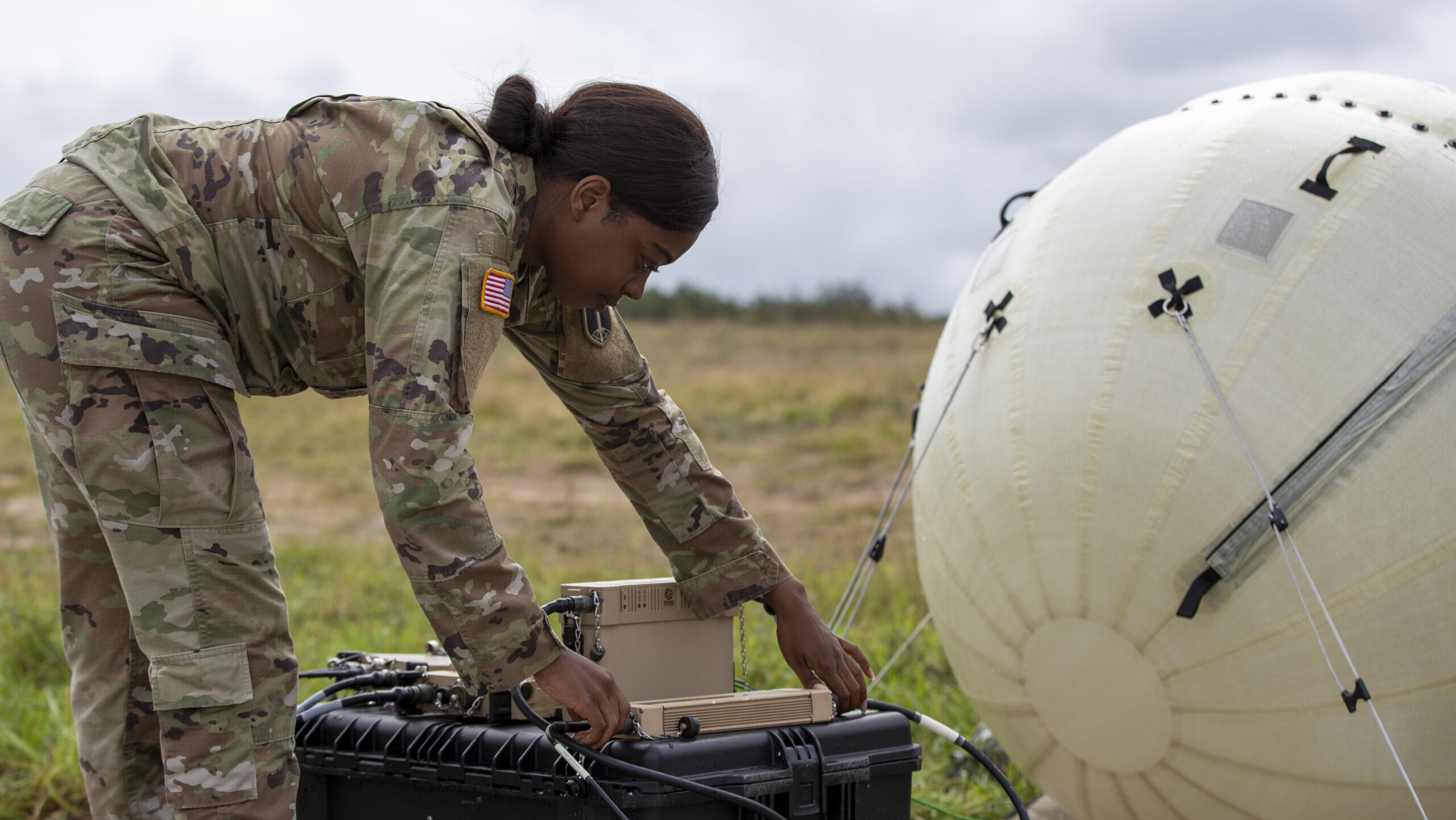
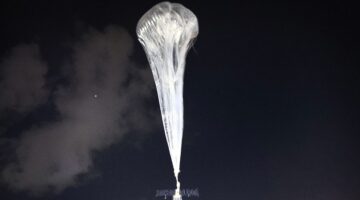
The Wallabee prototype is set to provide the Army and the J-7 with more intelligence-gathering capabilities in the stratosphere.
“The data and insights from this experiment will directly inform our strategy for integrating stratospheric assets into our Army and joint force architecture,” said Andrew Evans, the director for the new Strategy & Transformation Office inside the G-2.
"We'll have multi-form factor balloons operating at various altitudes, executing different mission sets, ultimately increasing the target problem set and dilemma for our adversaries ...," said Col. Donald Brooks, commandant of the Army's Space and Missile Defense Center of Excellence.
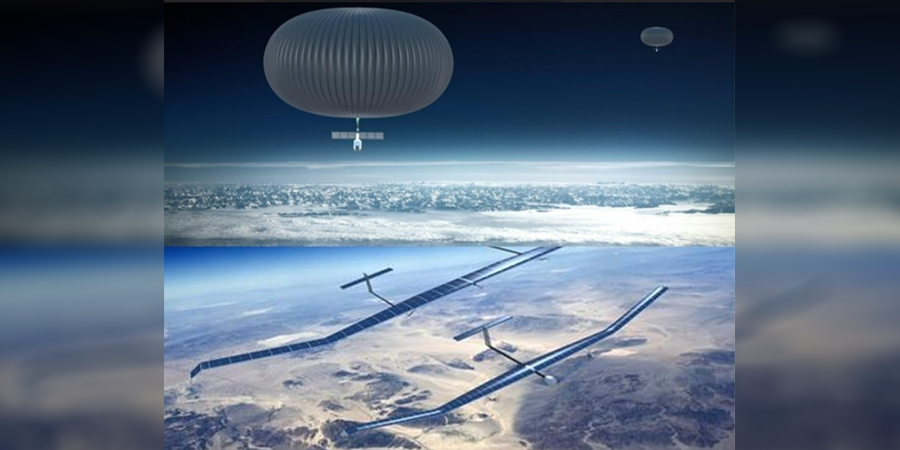
The new effort for microHABs is being led by the Army's Program Executive Office for Aviation, Andrew Evans, director of the Army's ISR Task Force, told Breaking Defense, which for the moment is the primary acquisition shop overseeing the service's pursuit of systems that can operate at the upper edges of the stratosphere — roughly between 60,000 and 100,000 feet, and just below orbital space.
The Rapid Defense Experimentation Reserve, brainchild of Pentagon CTO Heidi Shyu, has funded low-profile but high-value niche technologies the services couldn’t or wouldn’t, from robot boats to a multi-domain targeting node.
“The Moroccans are fully integrated” in the exercise, said Lt. Col. Aaron Ritzema, helping hunt simulated “enemy” transmitters with high-altitude balloons and four different types of drones.
"I've always been a fan of balloons that can provide over the horizon support in a missile defense perspective," Lt. Gen. Sean Gainey, head of Army Space and Missile Defense Command, told the Hudson Institute today.
The Pentagon has changed how it tracks items in American airspace, increasing the number of objects it sees.
Pentagon Press Secretary Brig. Gen. Pat Ryder, who avoided calling the object a “balloon” or "aircraft," noted it was “not similar in size or shape to the [Chinese] high-altitude surveillance balloon” that was destroyed on Feb. 4.
Referring in part to the Ukraine conflict, Sen. Jack Reed told reporters, “We are in a tremendously dynamic situation where technologies are changing rapidly, techniques are changing rapidly [and so are] operational issues."
There may not be an agreement on where airspace ends and space begins, but experts say other questions floated during the balloon saga have down-to-earth answers.
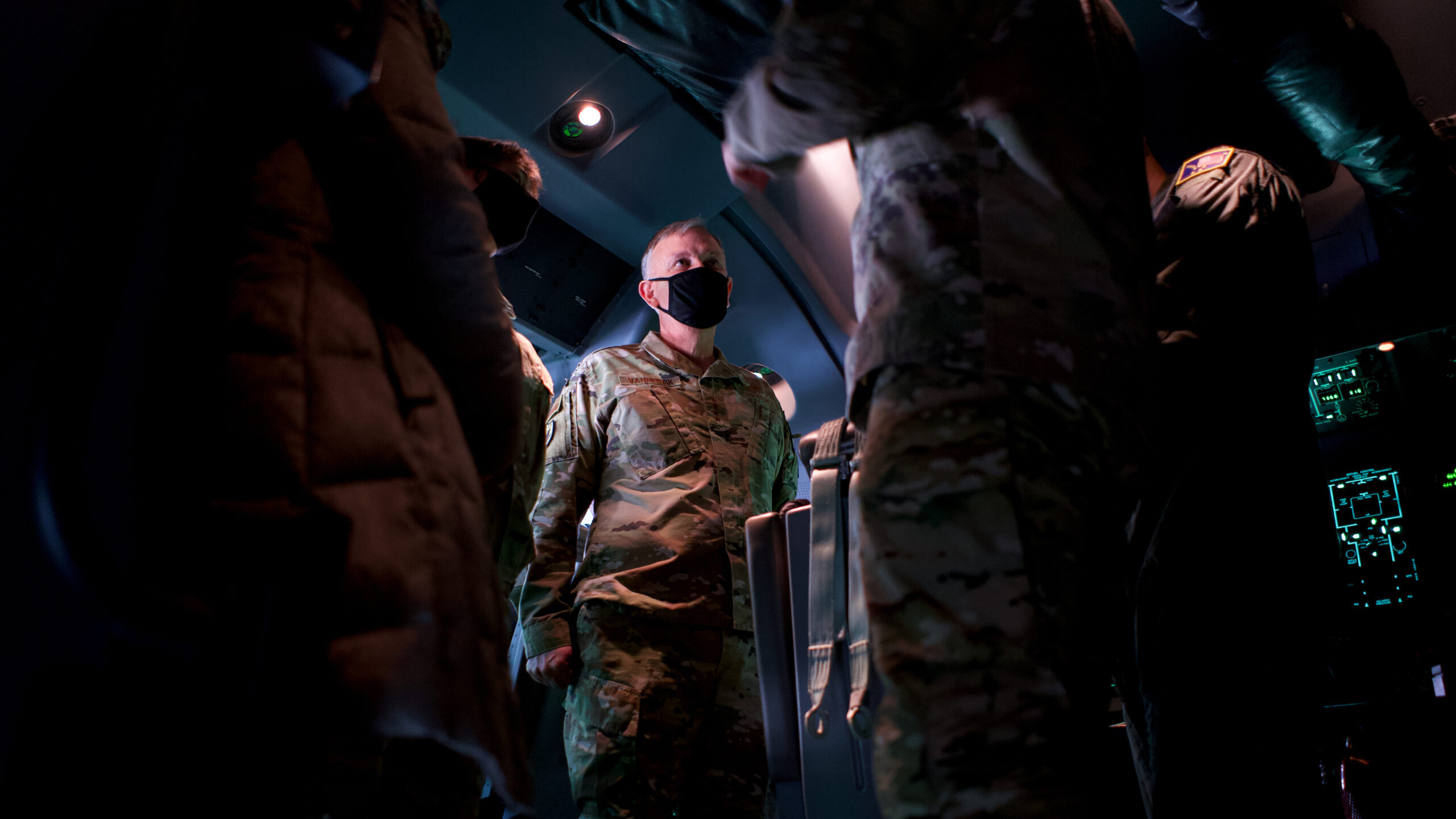
"It's my responsibility to detect threats to North America. I will tell you that we did not detect those [previous] threats,” Gen. Glen VanHerck said.
On Friday, Beijing acknowledged the balloon was from China, but claimed it's a "civilian" weather balloon blown off course.
The company has demonstrated the capability to do 'pattern of life' monitoring, staying over a 40 kilometer area for more than four days, said CEO Ryan Hartman.